Choosing Between Implants and Dentures
Salem, Or
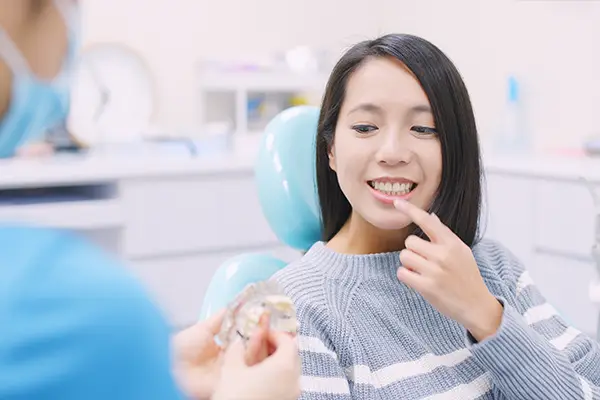 When patients weigh dental implants against dentures, the conversation often starts with appearance, but one of the most important long-term factors is what happens beneath the surface. The health of the jawbone and surrounding gum tissue changes over time depending on which type of tooth replacement is used, and understanding this difference can meaningfully shape a patient's decision. When patients weigh dental implants against dentures, the conversation often starts with appearance, but one of the most important long-term factors is what happens beneath the surface. The health of the jawbone and surrounding gum tissue changes over time depending on which type of tooth replacement is used, and understanding this difference can meaningfully shape a patient's decision.
Dr. Shull regularly discusses these long-term effects with patients so they can make a choice based on more than just how a dental restoration looks on day one, since the effects on bone and tissue often matter far more over the years ahead.
Why Jawbone Health Matters
The jawbone relies on stimulation from tooth roots to maintain its density and shape. Every time a person bites or chews, the roots of natural teeth transfer that pressure into the bone, signaling the body to continue supplying nutrients and maintaining bone volume in that area. When a tooth is lost, that stimulation disappears, and the bone in that location gradually begins to resorb, or shrink, over time.
This process, known as bone resorption, does not happen overnight, but it is progressive. Left unaddressed, it can change the shape of the jaw, affect the fit of dental appliances, and even alter facial structure by reducing support for the lips and cheeks.
How Dental Implants Support Bone Health
Dental implants are unique among tooth replacement options because they are the only solution that replaces the tooth root itself. Once an implant has fused with the surrounding bone through osseointegration, it continues to transmit chewing forces into the jaw in much the same way a natural tooth root would. This ongoing stimulation helps maintain bone density in the area, which is one of the primary reasons implants are often recommended for patients concerned about long-term jaw health.
This benefit becomes especially noticeable when comparing patients who received implants shortly after tooth loss to those who waited years or chose a different replacement option. Bone preservation is easier to maintain than it is to rebuild, which is why timing can be an important part of the conversation with Dr. Shull when tooth loss first occurs.
How Dentures Interact With The Jawbone
Dentures rest on top of the gum tissue rather than integrating with the bone, so they do not provide the same type of stimulation. Over time, as bone resorption continues, the shape of the jaw ridge can change, which often leads to a looser or less secure denture fit. This is why denture wearers may need periodic adjustments, relines, or eventually a new denture altogether, even if the original appliance was well made.
Some patients notice this change as a gradual shift in how their denture feels, while others may see visible changes in facial profile, including a more sunken appearance around the mouth and cheeks as bone volume decreases. These changes are a natural part of the aging process for many denture wearers, but they are worth understanding when comparing long-term outcomes between the two options.
Implant-Supported Dentures As A Middle Ground
For patients who want some of the bone-preserving benefits of implants without committing to a full set of individual implant-supported teeth, implant-supported overdentures offer a practical middle ground. By anchoring a removable denture to a small number of strategically placed implants, this approach provides more stimulation to the jawbone than a traditional denture while still offering a removable appliance for cleaning. Many patients who experience significant bone loss find this option restores stability and slows further resorption compared to relying on a traditional denture alone.
Comparing Long-Term Outcomes
Reviewing these long-term differences side by side can help clarify what to expect from each option over the years ahead:
| • |
Implants help preserve jawbone density by mimicking natural tooth root stimulation
|
| • |
Dentures do not stimulate the bone, which can contribute to gradual bone resorption
|
| • |
Denture fit often changes over time as the jaw ridge shrinks, requiring adjustments or relines
|
| • |
Implants generally maintain a stable fit for many years once integration is complete
|
| • |
Implant-supported overdentures can help slow bone loss compared to traditional dentures |
Gum Health And Routine Care
Beyond the jawbone, ongoing gum health plays a role in long-term outcomes for both options. Implants require daily brushing and flossing around the restoration, along with regular professional cleanings, to prevent a condition known as peri-implantitis, which affects the tissue surrounding an implant. Dentures require their own cleaning routine, along with careful attention to the health of the gums underneath, since irritation or ill-fitting appliances can lead to sore spots or infection if left unaddressed.
Routine checkups with Dr. Shull allow for early detection of these issues, whether that means monitoring the tissue around an implant or evaluating whether a denture needs to be adjusted to reflect changes in the jaw. Patients are often encouraged to bring any changes in fit, comfort, or sensation to these visits right away, since small issues are typically much easier to address before they progress. Consistency with these appointments, paired with a solid daily hygiene routine at home, tends to make the biggest difference in how well either option holds up over the years.
Planning For The Years Ahead
Choosing a tooth replacement option is rarely just about the present moment. Patients who think ahead to how their oral health may change over the next decade or more often find that this long-term perspective shapes their decision meaningfully. For some, that means prioritizing implants for their bone-preserving qualities. For others, dentures remain a practical and effective solution, particularly when combined with regular maintenance and a proactive relationship with the dental provider. What matters most is choosing an option with a clear understanding of how it will interact with your oral health well beyond the initial placement.
Schedule Your Evaluation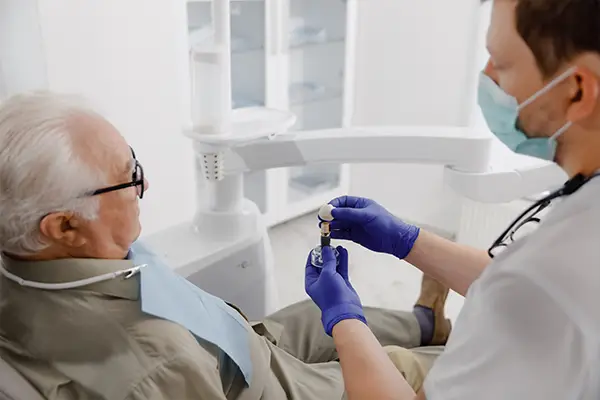
If you would like to understand how your own jawbone health may factor into this decision, contact Shull Family Dentistry at 503-362-5019 to schedule an evaluation with Dr. Shull. A thorough exam and imaging can provide clarity on which option offers the best long-term outlook for your smile. |