Invisalign
Dentist Salem, OR
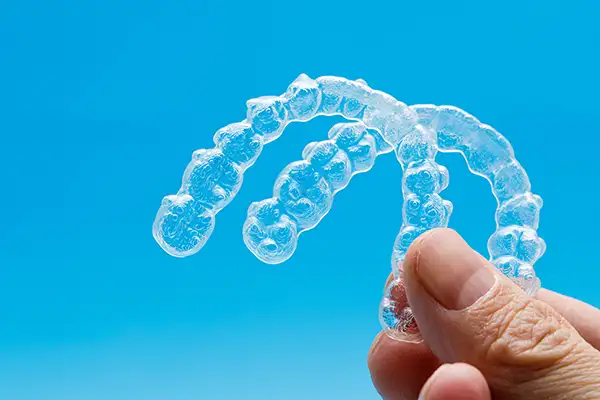
Deciding on an approach to straighten your teeth usually comes down to one central question: which option will give you the most predictable, effective result for your specific smile? For a wide range of patients at Shull Family Dentistry, the answer increasingly points to clear aligners. Understanding why this approach works so well, and for whom, can help patients in Salem make a more informed decision before starting treatment, rather than choosing an option based on marketing alone.
How Invisalign Corrects Common Alignment Issues
Invisalign clear aligners are built to address a specific range of alignment concerns, and understanding what they can correct is the first step in evaluating whether they're right for you.
Common issues effectively treated with Invisalign include:
| • |
Mild to moderate crowding, where teeth overlap or compete for space
|
| • |
Gaps and spacing between teeth
|
| • |
Certain bite irregularities, including mild overbites, underbites, and crossbites
|
| • |
Minor relapse after previous orthodontic treatment |
More complex cases, including significant crowding, certain rotations, or major bite discrepancies, may still respond better to traditional braces or a combination of approaches, which is why an individualized evaluation matters more than a one-size-fits-all recommendation.
Age generally isn't a limiting factor either, since the biological process behind tooth movement works largely the same way for teenagers and adults, provided the teeth and supporting bone are healthy enough to handle the movement involved.
The Science Behind Gradual Tooth Movement
Invisalign clear aligners work by applying light, continuous pressure to the teeth, encouraging the bone and ligament tissue around each tooth root to remodel over time. This is the same biological process that makes any orthodontic treatment possible, whether through aligners or traditional brackets and wires. The difference lies in how that pressure is delivered. Instead of a single appliance adjusted periodically, aligners break the entire movement plan into a sequence of small, incremental stages, with each tray calibrated to move teeth only a fraction of a millimeter before the next aligner takes over. This gradual, staged approach is part of what allows Invisalign clear aligners to move teeth predictably without the large, sudden adjustments sometimes associated with tightening traditional braces, and it's a big part of why treatment outcomes tend to be so consistent from patient to patient.
Precision Through Digital Planning
One of the reasons Insivalign has become so effective is the digital planning process behind them. A detailed 3D scan of your teeth allows the dentist to map out the entire treatment plan before a single aligner is made, plotting the specific path each tooth will travel from its starting position to its final placement. This level of precision allows for a treatment plan that's built around the specific geometry of your bite rather than relying solely on periodic in-office adjustments.
Predictability Compared to Traditional Methods
Because the full treatment plan is mapped digitally before manufacturing begins, both patient and provider have a clear picture of what to expect at each stage of treatment. This differs from traditional braces, where the exact path of tooth movement is determined and adjusted appointment by appointment rather than planned out from start to finish. For patients who want a clear sense of their expected timeline and result, this upfront planning is often a significant advantage.
Who Tends to Be a Good Candidate
Good candidates for Invisalign typically have healthy gums, sufficient bone support for their teeth, and alignment or spacing issues within the mild to moderate range. Compliance is also a major factor, since the aligners must be worn for 20 to 22 hours a day to work as intended. Patients who can commit to consistent wear tend to see results that closely track with their original treatment timeline, while inconsistent wear is one of the most common reasons treatment takes longer than expected. Gum health matters as well, since any active gum disease typically needs to be addressed before orthodontic treatment of any kind begins, as moving teeth through inflamed or compromised tissue can complicate both the treatment and the underlying gum condition.
When Traditional Braces May Still Be the Better Option
Clear aligners aren't the right fit for every situation. Severe crowding, significant vertical discrepancies, and certain complex rotations sometimes require the continuous, fixed force that traditional braces provide. A thorough clinical evaluation, including a full examination of your bite and supporting bone structure, is the only reliable way to determine which approach will produce the healthiest, most stable long-term result for your specific case. In some situations, the dentist may even recommend starting with traditional braces to address more significant movement before finishing treatment with a shorter series of aligners, combining the strengths of both approaches.
What Effective Treatment Requires From You
Clear aligners place more responsibility on the patient than fixed braces do, simply because they can be removed. Wearing Invisalign aligners for the recommended hours each day, moving to the next tray on schedule, and attending regular check-in appointments all play a direct role in how closely your results match your original treatment plan. Patients who understand this responsibility going into treatment tend to have a smoother, more predictable experience overall, since much of the outcome depends on habits practiced at home rather than what happens during office visits alone.
Making an Informed Decision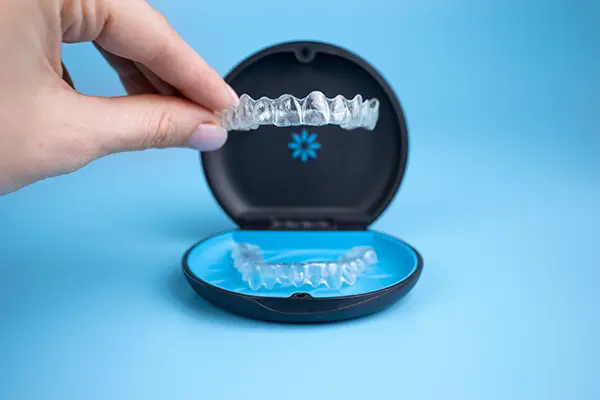
Choosing between Invisalign clear aligners and traditional braces isn't about which option is inherently better. It's about which approach is best suited to your specific bite, alignment concerns, and daily habits. A consultation that includes a full clinical exam and honest conversation about your goals is the most reliable way to determine which path will give you the healthiest, most predictable outcome. Rather than starting with a preference for one method over the other, it often helps to approach the decision with an open mind and let the clinical findings guide the recommendation.
If you're weighing your options for straightening your teeth, Shull Family Dentistry is ready to help you evaluate whether Invisalign is the right fit for your smile. Call 503-362-5019 to schedule a consultation with Dr. Shull and get a clear, honest assessment of your treatment options based on a real examination of your bite, not a generic recommendation. |